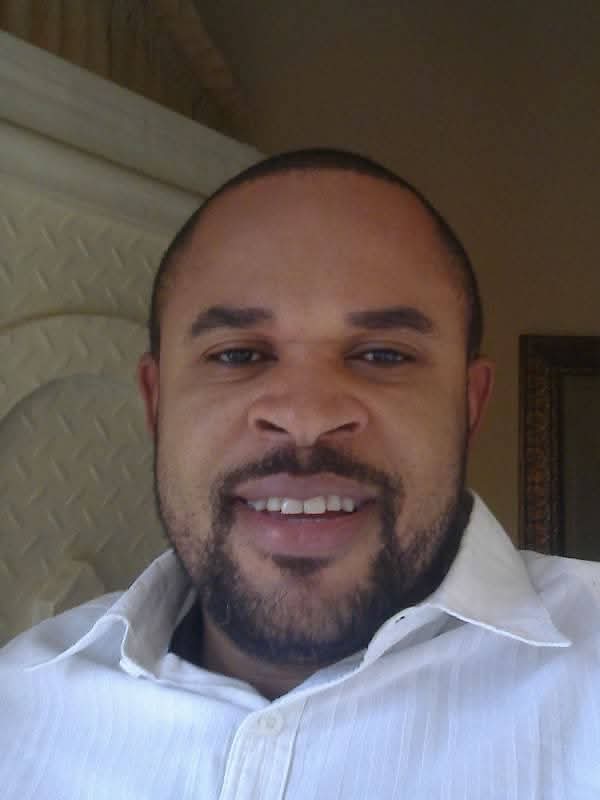
Aliko Dangote. The name evokes power, success, and unshakable dominance in the world of business. As Africa’s richest man, with a net worth of over $13.5 billion according to the Bloomberg Billionaires Index (2025), Dangote has transformed industries, reshaped markets, and symbolized the sheer scale of what Nigerian entrepreneurship can achieve. So naturally, many Nigerians wonder: what if Dangote were president?
On paper, it seems like a dream. A man who builds and delivers. The man who ended Nigeria’s decades-long dependence on imported cement. The man behind the much-celebrated Dangote Refinery — a 650,000 barrels-per-day behemoth that aims to meet all of Nigeria’s fuel needs and export surplus. The same man who’s floated the idea of reviving long-dead giants like Ajaokuta Steel and hinted at building massive power plants to solve the electricity crisis. Unlike politicians, Dangote seems to get things done.
But herein lies the paradox. Dangote thrives in control — in environments where he alone decides the pace, the direction, the standard. In his boardrooms, he is the unquestioned authority. From procurement to policy, staff to strategy, Aliko Dangote reigns supreme. But in government, especially one as deeply fractured and entrenched in patronage as Nigeria’s, power is diluted, decisions are sluggish, and institutions are often resistant to reform.
In business, Dangote can sack underperformers overnight. In government, even the worst-performing ministers are protected by political godfathers, ethnic balancing, and backroom deals. Bureaucracy kills speed. Vested interests fight progress. In a nation where over 70% of the budget is consumed by recurrent expenditure, and political loyalty often trumps merit, even the best-laid plans fall apart.
Even his celebrated refinery, despite its long-awaited commencement, has not been immune to delays, shifting goalposts, and financial hurdles — ironically, many of them caused by the same inefficient public sector he’d have to lead as president. If Dangote, with all his influence and resources, struggled to operationalize a refinery in over a decade, what hope does he have navigating the snail-paced machinery of Nigerian governance?
Let’s not forget: governance is not about building factories. It’s about managing people — diverse, divided, demanding people — and leading a nation of over 200 million, with 371 ethnic groups, competing religions, and a history of broken trust in leadership. It requires negotiation, not domination. It requires patience, not just performance.
Dangote also benefits from protectionism — high tariffs on imported cement and sugar, tax waivers, and state-backed monopolies. As president, he would no longer enjoy that same insulation. He would face public scrutiny, global diplomacy, constitutional constraints, and resistance from Nigeria’s entrenched elite who don’t like disruption — unless it benefits them.
Then there’s the question of perception. Many already accuse him of wielding too much economic power. In 2023, critics questioned how his businesses secured over ₦300 billion in loans from state-backed institutions. His near-monopoly in cement, sugar, and flour markets has drawn criticism — despite the value he has added. As president, such scrutiny would only grow. Every move, contract, or reform would be weaponized by opponents and media alike, damaging both his business empire and political capital.
Ultimately, business and politics are not the same terrain. Business rewards efficiency. Politics demands compromise. Business leaders can be brutal. Politicians must build coalitions. Dangote can’t sack a governor or bypass federal character requirements. He can’t fire civil servants en masse. And he certainly can’t build 10,000 MW power plants or revive moribund industries without battling a legislature, the unions, and Nigeria’s inertia-addicted system.
That’s not to say Dangote wouldn’t bring value — his focus, his discipline, his strategic thinking. But those qualities alone cannot override the rot in Nigeria’s system. If competence were all it took, technocrats would be running the country by now.
Even he knows it: Aliko Dangote has repeatedly declined political appointments. Not because he doesn’t love Nigeria. But because he understands what many Nigerians do not — business is private conquest. Governance is public negotiation. In one, you move fast. In the other, you beg, plead, and sometimes crawl.
So while it’s tempting to dream of a President Dangote constructing roads, building plants, and balancing budgets, the truth is, the same system that kills the dreams of the average Nigerian would likely clip his wings too.
After all, Nigeria doesn’t need a business mogul in power — it needs an honest, courageous, and visionary reformer willing to dismantle the system that protects mediocrity. And that’s a war Dangote may be too smart to start.