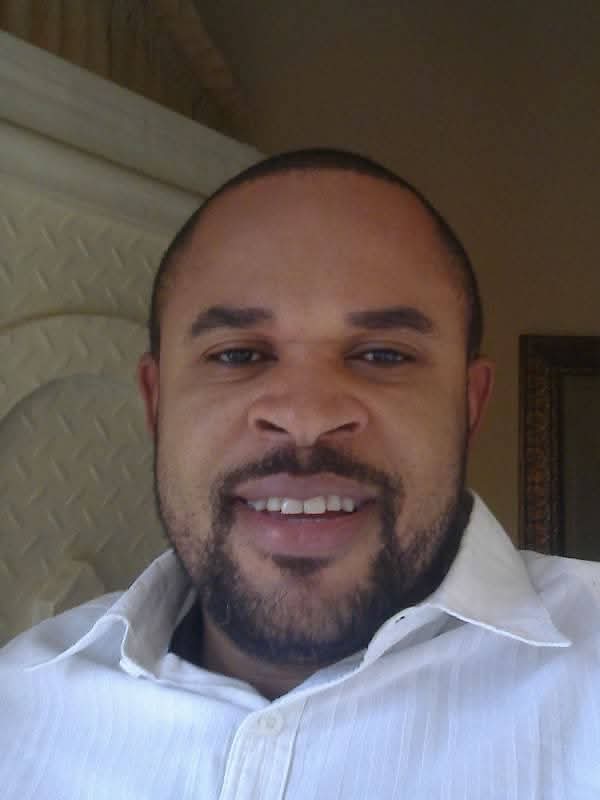
In a viral incident that has gripped the nation, Alex Mascot Ikwecheg, a sitting House of Representatives member, stands accused of shocking misconduct. According to the accounts, Ikwecheg allegedly slapped a Bolt driver three times after the driver dared to request that he retrieve an item from the car himself. But it was Ikwecheg’s threat that truly underscored the issue at hand: “Do you know who I am? I’ll make you disappear in Nigeria, and nothing will happen.” Such a statement isn’t merely a momentary lapse; it reveals the sense of invincibility that has become all too common among Nigeria’s political elite.
Nigeria’s problem with impunity among public officials can be traced back to an era of military dominance, a period when authority went unquestioned and power unchecked. With the shift to democracy in 1999, one might have hoped for a new era of accountability, yet many officials retained a troubling mentality of unchecked dominance. The Ikwecheg episode reflects that legacy, reminding us that the entitled mindset of Nigeria’s past is still very much alive today, embedded in the very institutions that should represent and protect the people.
Ikwecheg’s behavior is far from isolated. In recent years, high-profile cases have repeatedly shown how some public officials treat their positions as shields against responsibility. Senator Elisha Abbo, for instance, was caught on camera assaulting a woman, only to face a brief suspension amid a national outcry. Similarly, former governor Orji Uzor Kalu, despite a conviction for embezzling public funds, quickly returned to the Senate after his sentence was overturned. These incidents are not rare outliers but indicative of a systemic problem, where public office is wielded as a tool of personal gain, intimidation, and dominance.
Consider also the case of Abdulrasheed Maina, the former head of the pension reform task force who was accused of stealing millions intended for Nigeria’s pensioners. Upon facing charges, he vanished, later reappearing with the help of his connections. This evasive maneuvering, combined with influence, underscores the extent to which certain individuals exploit their status to sidestep justice. Or take the example of Alhaji Abdulmumin Jibrin, who blew the whistle on budget padding in the House of Representatives, only to be sanctioned rather than praised for exposing corruption. In each case, the powerful individuals involved operate under an assumption of immunity, a deeply rooted entitlement that pervades Nigerian politics.
This mentality is most clearly articulated in Ikwecheg’s words: “Do you know who I am?” Such a phrase reveals a mindset that views status as a defense against accountability. This isn’t just arrogance; it’s an entitlement that threatens the very fabric of democracy, where officeholders believe they are beyond the reach of law or public scrutiny. And for every publicly visible case like Ikwecheg’s, countless more go unreported, as everyday citizens face threats or intimidation for challenging abuses of power.
Each instance of abuse chips away at public trust. In a democracy still maturing, such incidents create an atmosphere of resignation and disillusionment. When citizens witness leaders openly disregarding their welfare and evading responsibility, they naturally lose faith in the institutions meant to uphold justice. For the average Nigerian, such conduct suggests that the rules do not apply equally to all, fostering a sense of helplessness and detachment from the democratic process.
The Ikwecheg incident should serve as a call to action. For Nigeria to progress, it is imperative to address this culture of impunity. There is an urgent need for independent oversight bodies with authority to investigate and hold public officials accountable. Stricter penalties are necessary to deter abuses of power, as are transparent mechanisms to empower citizens to recall representatives who fail in their duties. In an age of social media, public outcry can also act as a powerful tool, amplifying the voices of those calling for justice and transparency.
The story of Alex Mascot Ikwecheg isn’t merely a tale of personal misconduct; it’s a reflection of a broader issue that has persisted for far too long. For Nigeria’s democracy to truly thrive, it’s time to end the era of untouchable elites and make accountability a cornerstone of public office. Now, more than ever, the nation must rise to ensure that power lies with the people, and that no one is above the law.
—————
Image: Screengrab from X video