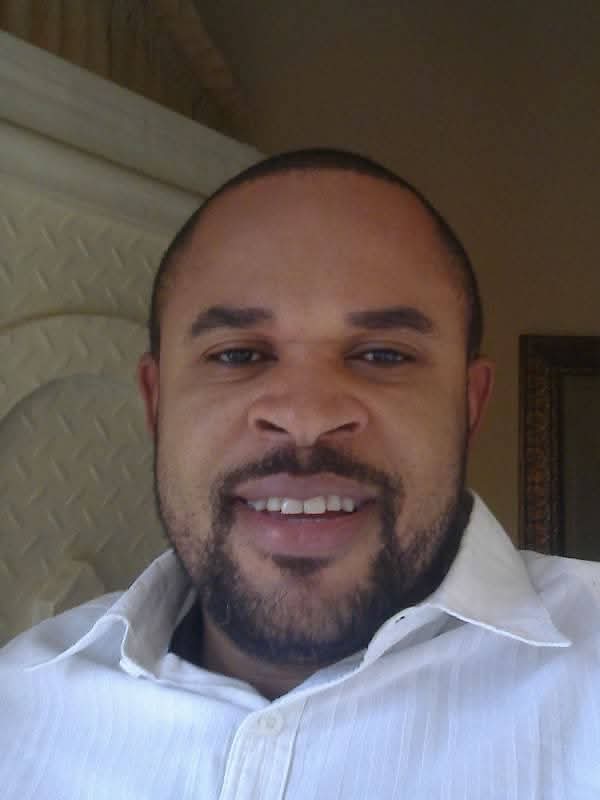
Two years into his tenure as Governor of Delta State, Rt. Hon. Sheriff Oborevwori stands at the midpoint of a journey defined by his MORE Agenda—Meaningful Development, Opportunities for All, Realistic Reforms, and Enhanced Peace and Security. Riding on the popularity of his predecessor, Ifeanyi Okowa, and the goodwill of Deltans hopeful for a deeper democratic dividend, Oborevwori’s administration has delivered a mixed basket of progress, promise, and persistent challenges.
In infrastructure, the government claims to have completed or rehabilitated over 250 kilometers of roads across the state. Signature projects such as the Ogunu Road Expansion in Warri, the Okpanam-Ibusa Road in Oshimili North, and the Sector C of the Ughelli/Asaba Road dualization have drawn attention. Bridges in Patani and Udu have also seen structural work. Yet, in various LGAs like Ndokwa East and Burutu, reports of decaying and impassable roads still persist, showing that the reach of development remains uneven.
On education, the Oborevwori-led administration boasts the renovation of over 110 public schools, distribution of free learning materials, and reintroduction of merit-based scholarship schemes through the Delta State Bursary Board. The recent construction of model technical colleges in Effurun and Asaba signals a strategic pivot toward technical and vocational training. However, despite these advancements, the Nigeria Union of Teachers in Delta continues to highlight issues of unpaid entitlements, especially in rural schools, along with lingering concerns over overcrowded classrooms and lack of science equipment.
In the health sector, Delta has ramped up its primary healthcare approach by upgrading at least 140 primary health centres across 20 LGAs and hiring over 600 health workers to strengthen service delivery in underserved communities. The Delta State Contributory Health Scheme has registered more than 1.2 million enrollees since inception, with a renewed push for grassroots participation. Still, access to healthcare remains a serious concern in riverine and hard-to-reach areas, where residents report insufficient medical personnel and drug supply gaps.
Youth empowerment and job creation remain key elements of the MORE Agenda. Through initiatives such as the Youth Agricultural Entrepreneurs Programme (YAGEP), Skills Training and Entrepreneurship Programme (STEP), and the Girls Entrepreneurship and Skills Training (GEST), over 4,000 beneficiaries have been trained in fashion design, agribusiness, welding, ICT, and hairdressing. Graduates from these schemes are given starter packs and mentorship, though tracking the long-term success of these beneficiaries continues to pose transparency issues. Meanwhile, youth unemployment in the state still hovers above 25%, according to the National Bureau of Statistics, with some areas like Ughelli, Sapele, and Bomadi facing even higher levels.
On security, the governor’s peacebuilding strategies, including regular engagements with traditional rulers, youth leaders, and vigilante groups, have reduced the frequency of inter-communal clashes and cult violence in major cities. The Delta Hawk Security Outfit has also been reactivated in partnership with conventional security forces. Nevertheless, isolated incidents of kidnapping, armed robbery, and cult-related killings, particularly in places like Warri and Agbor, remind residents that security gains remain fragile.
Critics argue that while Governor Oborevwori has made commendable efforts, particularly in rural development and youth-focused policies, his administration has not yet achieved the systemic transformation required to place Delta on a sustainable growth path. Supporters counter that in just two years, the groundwork has been laid and visible signs of change are emerging despite the state’s complex terrain and financial constraints.
As Delta State looks toward the 2025 elections, the lingering question remains: has the MORE Agenda delivered more hope or more of the same? Governor Oborevwori may have crossed the halfway line, but whether he finishes this race with the applause of the people or a whisper of disappointment will depend on what the next two years bring.